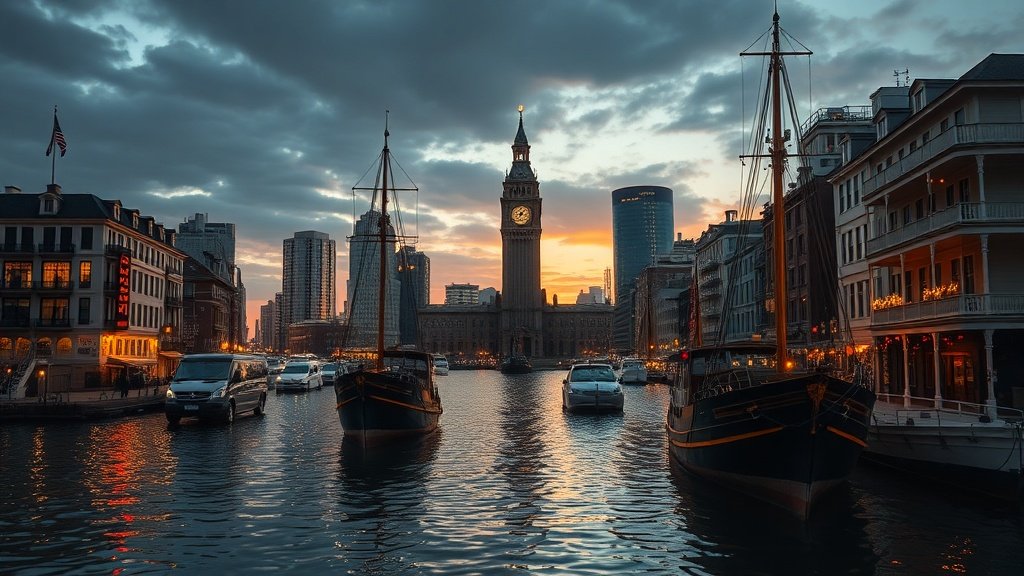
Maritime Law in New Orleans: Understanding Admiralty Jurisdiction and Port Regulations
Understanding Maritime Law in New Orleans
New Orleans sits at the heart of America’s maritime industry. The city’s strategic location along the Mississippi River makes it one of the busiest ports in the world. If you work in shipping, fishing, or any water-related business, understanding maritime law becomes essential. Maritime law, also called admiralty law, governs all legal matters that happen on navigable waters. This includes everything from cargo disputes to personal injuries at sea.
Thank you for reading this post, don't forget to subscribe!The waters surrounding New Orleans fall under federal jurisdiction. This means maritime law applies differently than regular state law. You need to know how these special rules work to protect your rights and business interests. Whether you own a vessel, work on a ship, or have cargo moving through the port, maritime law affects you directly.
What Is Admiralty Jurisdiction?
Admiralty jurisdiction gives federal courts the power to hear cases involving maritime activities. When you file a lawsuit related to maritime matters in New Orleans, it goes to federal court, not state court. This happens automatically for most water-based disputes.
Federal courts apply maritime law, which has unique rules that differ from regular civil law. These rules come from federal statutes, international treaties, and centuries of maritime tradition. Admiralty courts have special procedures designed specifically for maritime disputes. Understanding these procedures helps you navigate the legal system more effectively.
The area where admiralty jurisdiction applies extends beyond just the ocean. The jurisdiction covers all navigable waters, including rivers, lakes, and harbors. New Orleans harbor definitely falls within this jurisdiction. Even though the Mississippi River is inland, federal admiralty courts still handle disputes that occur there.
Types of Maritime Cases Handled in New Orleans
Maritime courts in New Orleans handle several types of disputes. Vessel collisions represent one common category. When ships crash into each other, admiralty law determines who pays for damages. These cases can involve complex calculations of fault and liability.
Cargo disputes also frequently reach New Orleans maritime courts. If goods get damaged, lost, or delayed during shipping, the parties may turn to admiralty law for resolution. These disputes often involve substantial sums of money and require expert testimony about cargo handling procedures.
Personal injury claims arise regularly in maritime settings. Workers injured on ships, docks, or during loading operations can file claims under maritime law. These cases involve different rules than regular workplace injuries. Longshoremen, sailors, and other maritime workers have specific protections under federal law.
Salvage cases involve disputes over who should receive payment for saving a vessel or cargo from danger. Environmental claims related to maritime pollution also fall under admiralty jurisdiction. Contract disputes between shipping companies and other parties regularly end up in maritime courts as well.
Port Regulations at New Orleans
The Port of New Orleans operates under strict regulations designed to ensure safety and efficiency. These regulations cover everything from vessel documentation to cargo handling procedures. You must comply with these rules whether you’re a vessel operator, cargo owner, or port worker.
The Port Authority of New Orleans manages these regulations and oversees port operations. All ships entering the port must meet specific requirements. These include proper documentation, insurance coverage, and safety certifications.
Pilot requirements represent another important regulation. Most vessels entering the Mississippi River must hire a licensed river pilot. These pilots guide ships through the challenging river channels. This requirement exists because the Mississippi River navigation demands specialized expertise.
Environmental regulations have become increasingly important. The Clean Water Act applies to all maritime operations in New Orleans. Vessel operators must prevent oil spills and other pollution. Violations of environmental regulations can result in significant fines and legal liability.
| Regulation Type | Purpose | Applies To |
|---|---|---|
| Documentation Requirements | Verify vessel ownership and registration | All vessels |
| Insurance Coverage | Protect against liability claims | Commercial vessels |
| Pilot Requirements | Ensure safe navigation | Large vessels on rivers |
| Safety Certifications | Verify vessel safety standards | All commercial vessels |
| Environmental Standards | Prevent pollution | All maritime operations |
Worker Protections Under Maritime Law
Maritime workers in New Orleans have special legal protections that don’t exist on land. The Jones Act provides one key
Key Players in New Orleans Maritime Commerce: Shipping Companies, Ports, and Legal Experts
New Orleans stands as one of the most vital maritime hubs in North America, serving as a gateway for international trade and commerce. The city’s strategic location along the Mississippi River makes it a natural center for shipping operations, where multiple industries converge to handle millions of tons of cargo annually. Understanding the maritime law new Orleans context requires examining the key players who shape commerce in this bustling port city.
The Port of New Orleans operates as an independent public agency, managing one of the world’s busiest deep-water ports. This facility handles breakbulk cargo, containers, and general cargo that flows through the region. The port authority works closely with shipping companies, freight forwarders, and customs brokers to ensure smooth operations. Maritime law New Orleans regulations govern how these operations function, protecting all parties involved in international trade agreements and contracts.
Major Shipping Companies Operating in New Orleans
Numerous shipping companies have established significant operations at the Port of New Orleans. These carriers range from international container lines to specialized heavy-lift operators. Companies like CMA CGM, Maersk, and MSC maintain regular service through the port, connecting merchants to global markets. Regional carriers also play important roles, offering specialized services for breakbulk cargo, neo-bulk commodities, and project cargo that require expertise and customized handling.
These shipping firms invest heavily in infrastructure and personnel to manage their operations efficiently. They employ maritime professionals who understand maritime law New Orleans requirements, ensuring compliance with local, state, and federal regulations. The relationships between shipping companies and port operators create a complex ecosystem that demands constant communication and coordination.
Steamship lines operating from New Orleans offer various services tailored to different cargo types. Some focus on container traffic connecting to Central America, while others specialize in handling agricultural products, steel, and machinery. The diversity of shipping services reflects the port’s role as a comprehensive trade hub.
Port Infrastructure and Operations
The Port of New Orleans comprises multiple terminals, each designed for specific cargo handling requirements. Container terminals feature modern cranes and automated systems that process thousands of boxes daily. Break-bulk terminals provide flexibility for oversized cargo that cannot fit in containers. General cargo facilities handle everything from frozen food to automobiles.
Terminal operators manage daily activities, coordinating vessel arrivals, cargo loading and unloading, and storage operations. They employ dock workers, equipment operators, and supervisors who follow strict maritime law New Orleans protocols. These professionals understand that safety and efficiency go hand in hand in port operations.
The port’s infrastructure includes over 2,000 acres of developed terminal space, 24 ship berths, and specialized equipment valued at hundreds of millions of dollars. This investment enables the port to handle the largest modern vessels and maintain its competitive advantage in the marketplace.
Legal Experts and Maritime Law Services
Maritime law New Orleans encompasses a specialized practice area that requires deep expertise. Attorneys specializing in this field help clients navigate admiralty law, which governs contracts, liability, and disputes arising from maritime commerce. These legal professionals work with shipping companies, port operators, cargo owners, and insurers.
Law firms in New Orleans maintain dedicated maritime practice groups with lawyers experienced in vessel contracts, cargo claims, and regulatory compliance. They understand the unique challenges of conducting business on the water and through international ports. Many have relationships with maritime arbitration organizations and understand how disputes get resolved under maritime law New Orleans frameworks.
Maritime attorneys assist clients with bill of lading disputes, charter party negotiations, and claims for lost or damaged cargo. They help companies protect their interests when accidents occur or contracts are breached. This specialized knowledge requires years of training and experience to master.
Cargo Handling and Logistics Partners
Beyond the major players, numerous companies support maritime commerce in New Orleans. Freight forwarders arrange shipments, prepare documentation, and coordinate logistics for importers and exporters. Customs brokers handle regulatory requirements for international cargo. Warehousing companies provide storage facilities for goods awaiting shipment or distribution.
These service providers work within the framework of maritime law New Orleans, ensuring all transactions comply with applicable rules. They employ specialists who understand tariff classifications, trade agreements, and safety requirements that govern goods moving through the port.
Regulatory Framework and Compliance
The U.S. Coast Guard maintains a significant presence in New Orleans, overseeing vessel safety, security, and environmental compliance. Port security requirements established after 2001 create additional obligations for all terminal operators and shipping companies. Maritime law New Orleans includes both federal maritime statutes and state regulations that businesses must follow.
Companies working at the Port of New Orleans must comply with the Jones Act, which provides certain protections to maritime workers injured on the job. They must also adhere to customs regulations, environmental protection standards, and International Safety Management codes. Understanding these requirements protects businesses from penalties and legal exposure.
| Entity Type | Primary Functions | Key Regulatory Concerns |
| Shipping Companies | Vessel operation, cargo transportation, route management | Safety compliance, environmental regulations, labor standards |
| Port Authority | Terminal management, berth allocation, infrastructure maintenance | Security protocols, vessel coordination, maintenance standards |
| Terminal Operators | Cargo handling, equipment operation, storage management | Worker safety, equipment maintenance, scheduling accuracy |
| Legal Professionals | Contract review, dispute resolution, compliance guidance | Admiralty law, liability limitations, contractual obligations |
| Service Providers | Forwarding, brokerage, warehousing, documentation | Customs compliance, documentation accuracy, regulatory adherence |
Interconnected Relationships in Maritime Commerce
Success in maritime law New Orleans depends on effective collaboration among all stakeholders. Shipping companies must communicate precisely with terminal operators about vessel requirements and cargo characteristics.
Common Maritime Disputes and Litigation Cases Affecting New Orleans Businesses
New Orleans stands as one of America’s busiest ports, handling millions of tons of cargo annually. With this level of maritime activity comes a complex web of legal disputes that affect businesses operating in the region. Understanding these common maritime law issues can help business owners protect their interests and navigate the challenges specific to New Orleans commerce.
The Port of New Orleans generates billions of dollars in economic activity each year, making it essential for maritime businesses to understand the legal landscape. From cargo disputes to vessel collisions, the types of conflicts that arise in this industry require specialized knowledge of maritime law. Businesses operating in New Orleans face unique legal challenges because maritime commerce involves multiple jurisdictions, international regulations, and federal statutes that differ significantly from standard commercial law.
Cargo Damage and Delivery Disputes
One of the most frequent issues affecting New Orleans maritime businesses involves cargo damage and improper delivery. When goods move through the port, they pass through numerous handlers, carriers, and storage facilities. Disputes often arise when cargo arrives damaged, goes missing, or gets delivered late. These situations can result in significant financial losses for importers and exporters.
Determining liability in cargo disputes can be complicated. Multiple parties may share responsibility, including the shipper, carrier, stevedoring company, and warehouse operator. Maritime law provides specific rules about how long carriers can be held liable for cargo damage, and these timeframes differ from regular commercial agreements. The bill of lading becomes critical evidence in these cases, as it documents the cargo’s condition when it was received and transferred between handlers.
Businesses should document every aspect of cargo movement and maintain detailed records of condition inspections. Taking photographs and videos of cargo before shipment and immediately upon arrival creates solid evidence for potential disputes. Many New Orleans maritime businesses have reduced their cargo disputes by implementing strict documentation procedures and working with experienced maritime attorneys early in the process.
Vessel Collision and Accident Claims
The busy waterways around New Orleans witness hundreds of vessel movements daily. Collisions between ships, tugboats, and barges create significant liability questions. These accidents can damage multiple vessels, injure crew members, and disrupt port operations. Maritime collision law involves specialized rules that differ from typical vehicle accident law.
When vessel collisions occur, determining fault requires expert analysis of navigation records, vessel positioning systems, weather conditions, and crew actions. Maritime law uses the concept of “comparative negligence,” meaning both parties might share responsibility for an accident. This differs from some other legal areas where one party bears complete fault.
Insurance plays a major role in maritime accident claims. Most vessel owners carry protection and indemnity (P&I) insurance, which covers liability for injuries, property damage, and pollution. These insurance policies have specific coverage limits and exclusions that affect how disputes are resolved. Businesses involved in maritime accidents need to notify their insurers immediately and preserve all evidence at the accident scene.
Harbor Worker and Employee Injury Claims
Workers operating in New Orleans maritime facilities face significant hazards. Falls from vessels, equipment failures, and cargo incidents cause injuries regularly. When harbor workers get hurt, they may pursue claims under special maritime law provisions rather than standard workers’ compensation rules.
The Longshore and Harbor Workers’ Compensation Act (LHWCA) provides specific benefits and procedures for maritime workers. This federal law offers different protections than state workers’ compensation programs. Claims under LHWCA can become complicated because they involve proving negligence, determining whether specific maritime law applies, and calculating appropriate benefits. Businesses need to understand their obligations to harbor workers and maintain proper insurance coverage.
Employers and vessel owners must ensure safe working conditions to minimize injury claims. Regular safety training, equipment maintenance, and hazard inspections help prevent accidents. When injuries do occur, documenting the incident thoroughly and reporting it promptly protects everyone involved.
Environmental and Pollution Liability
Maritime operations in New Orleans generate environmental compliance requirements that land-based businesses never face. Oil spills, chemical leaks, and waste disposal create potential liability under federal environmental laws. The Oil Pollution Act of 1990 imposes strict liability on vessel owners and operators for pollution damage.
Environmental disputes can arise from routine operations or catastrophic accidents. Even small spills require reporting to federal authorities and can trigger cleanup obligations costing thousands of dollars. Businesses must maintain environmental compliance records and carry appropriate pollution liability insurance.
| Type of Maritime Dispute | Common Causes | Potential Impact |
|---|---|---|
| Cargo Damage Claims | Improper handling, weather exposure, equipment failure | Financial loss, delayed shipments, damaged goods value |
| Vessel Collisions | Navigation errors, equipment failure, poor visibility | Vessel damage, operational delays, injury claims |
| Worker Injuries | Falls, equipment failure, unsafe conditions | Medical costs, lost productivity, liability exposure |
| Environmental Issues | Equipment failure, accidents, operational procedures | Cleanup costs, regulatory fines, liability claims |
| Contract Disputes | Disagreements over terms, performance issues | Payment disputes, operational disruptions |
Charter Party and Contract Disputes
Maritime businesses rely heavily on contracts known as charter parties. These agreements specify terms for vessel use, cargo transport, and service delivery. Disputes arise when parties interpret contract language differently or when circumstances change unexpectedly.
Charter party disputes may involve disagreement over payment terms, vessel condition, scheduling, or performance expectations. Weather delays, mechanical breakdowns, and market changes often trigger contract disputes. Maritime law provides specific remedies for charter party breaches, including the right to detain vessels and claim demurrage charges.
Clear and detailed contracts help prevent many disputes. Parties should specify performance standards, liability limits, and dispute resolution procedures. Including arbitration clauses can resolve disputes faster than traditional litigation, which is particularly valuable in maritime cases where time-sensitive operations are at stake.
Port Authority and Facility Disputes
The Port of New Orleans operates under
Environmental and Safety Compliance Requirements for Maritime Operations in Louisiana
When you operate ships, ports, or maritime facilities in Louisiana, you need to understand the strict rules that keep workers safe and protect the environment. Maritime law in New Orleans sets specific requirements that every operator must follow. These regulations cover everything from how you handle cargo to how you manage waste at sea.
The Gulf of Mexico region around Louisiana has unique environmental challenges. The waters here support important ecosystems and local fishing industries. This is why maritime law in New Orleans includes strong environmental protections. You must comply with federal regulations, state laws, and local ordinances that work together to keep Louisiana’s waters clean and healthy.
Understanding Federal Maritime Regulations
Federal maritime law in New Orleans operates under several key frameworks. The Oil Pollution Act requires you to maintain proper systems to prevent spills and handle emergencies. The Clean Water Act sets strict limits on what substances you can discharge into Louisiana waters. You need to understand these rules before your vessel operates in local ports.
The Environmental Protection Agency oversees many maritime operations in New Orleans. They enforce rules about ballast water management, which prevents invasive species from entering local ecosystems. If you captain a vessel, you must maintain records showing you followed these discharge standards. Failing to comply with federal maritime law in New Orleans can result in significant fines and operational shutdowns.
The National Oceanic and Atmospheric Administration also plays a major role in maritime safety. They monitor weather patterns and issue warnings that affect shipping operations. You should check their forecasts regularly if you work on Louisiana waters. Their guidelines help prevent accidents and protect both workers and the environment.
Louisiana State Environmental Requirements
Louisiana has its own set of environmental rules that apply on top of federal requirements. The Louisiana Department of Environmental Quality enforces state maritime law in New Orleans with strict oversight. You must obtain permits before conducting certain maritime activities. These permits show that your operation meets state environmental standards.
The state requires you to develop spill prevention plans if you handle hazardous materials. These plans must detail how you’ll respond to emergencies and protect Louisiana’s sensitive wetlands. The state also monitors water quality regularly in New Orleans harbors. If your vessel contributes to pollution, you face liability under state maritime law in New Orleans.
Louisiana’s coastal zone management laws add another layer of protection. You cannot conduct certain activities in designated marine sanctuaries without special authorization. The state wants to preserve unique habitats where endangered species live. Understanding these restrictions before planning your maritime operations prevents costly delays and legal problems.
Worker Safety Standards in Maritime Operations
Your employees deserve a safe working environment. Maritime law in New Orleans requires you to provide proper safety equipment and training. Workers on vessels must wear life jackets and hard hats in designated areas. You need to conduct regular safety drills so employees know how to respond to emergencies.
The Occupational Safety and Health Administration sets specific standards for maritime workplaces. You must maintain equipment inspections and keep detailed safety records. Employees should know who to contact if they witness unsafe conditions. Creating a strong safety culture protects workers and keeps your operation compliant with maritime law in New Orleans.
Chemical handling procedures need special attention. Workers who handle hazardous cargo must receive proper certification. You must provide chemical safety data sheets and make sure employees understand the risks. Regular safety meetings help keep workers aware of potential dangers on the job.
Pollution Prevention and Management Systems
Modern maritime operations in New Orleans require sophisticated pollution prevention strategies. You need an International Maritime Organization certified management system if you operate larger vessels. These systems document how you prevent pollution and manage environmental risks. Regular audits ensure your procedures stay current with changing regulations.
Ballast water treatment has become critical under maritime law in New Orleans. You must either exchange ballast water in open ocean or treat it before discharge. This prevents organisms from invading Louisiana’s ecosystem. Modern treatment technology makes this requirement manageable for most operators.
Waste management onboard requires careful planning. You cannot throw garbage overboard in most situations. Instead, you need secure storage until you reach an approved reception facility. Many New Orleans ports now have modern facilities where you can properly dispose of marine waste.
Port Authority and Local Compliance
The Port of New Orleans has its own safety and environmental protocols. You must follow their vessel traffic rules and communicate with harbor masters. The Port Authority conducts inspections of vessels and facilities to ensure compliance. Working with Port Authority officials helps you understand specific requirements for your maritime law in New Orleans operations.
Local pilot associations also provide guidance on safe navigation. These experienced professionals can help you navigate shallow waters and understand local hazards. Using local pilots often satisfies insurance requirements and reduces accident risks. They know exactly what maritime law in New Orleans expects from operators.
Emergency Response and Incident Reporting
When accidents happen, you must report them quickly under maritime law in New Orleans. The Coast Guard investigates serious incidents and marine casualties. You have specific timeframes to file reports depending on the incident severity. Delayed reporting can result in additional penalties beyond the original violation.
Your emergency response plan should address oil spills, chemical releases, and worker injuries. You need backup communication systems and trained response personnel. Regular drills help your team practice procedures so they work smoothly during real emergencies. Proper incident management protects both people and the environment.
Training and Certification Requirements
Maritime professionals working in New Orleans must maintain current certifications. Captains need maritime licenses that require regular renewal. Deck officers and engineers must demonstrate competency through approved training programs. These certifications ensure that experienced professionals manage maritime operations.
Environmental and safety training should be ongoing. Your crew needs updates on new regulations and best practices. Many training providers in New Orleans offer courses specifically designed for maritime law compliance. Investing in employee training reduces your liability exposure and improves operational safety.
Inspection and Compliance Auditing
Regular inspections keep your operation compliant with maritime law in New Orleans. The Coast Guard conducts port state control inspections on foreign vessels and periodic checks on domestic operations. They examine safety equipment, environmental systems, and documentation. Maintaining excellent records helps you pass inspections successfully.
| Compliance Area | Primary Authority | Key Requirement |
|---|---|---|
| Environmental Protection | EPA and Louisiana DEQ | Pollution prevention plans and permits |