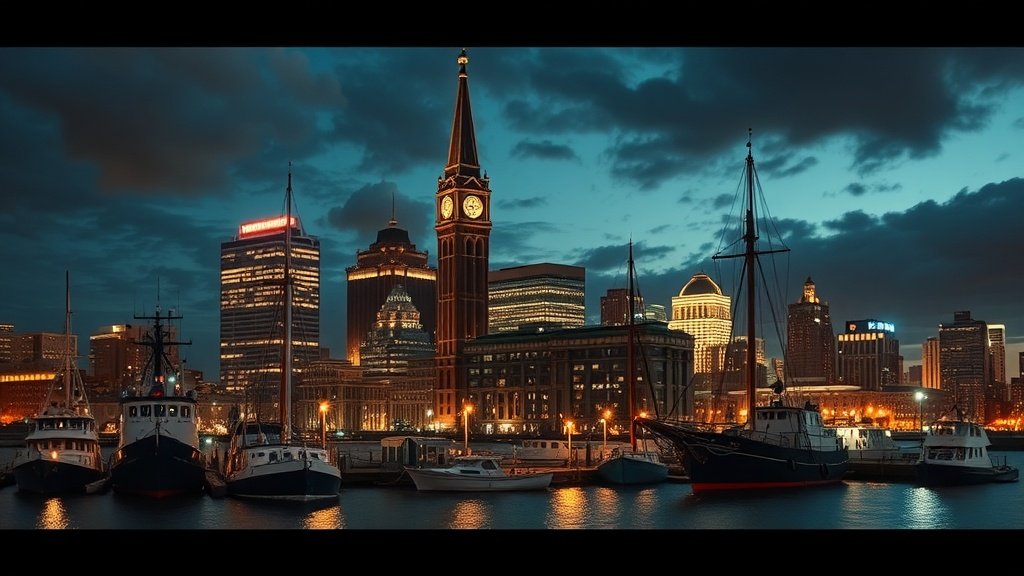
How New Orleans Maritime Law Firms Protect Your Rights on the Water
The Port of New Orleans handles millions of tons of cargo annually, making it one of the busiest ports in America. With so much activity comes increased risks for workers and business owners alike. Maritime law covers everything from cargo disputes to workplace injuries on vessels and docks. When you need legal representation in this specialized field, you’re looking for attorneys who understand both federal maritime law and Louisiana’s unique legal landscape. New Orleans maritime law firms bring this expertise directly to your case.
Understanding Maritime Law in New Orleans
Maritime law isn’t the same as regular personal injury or employment law. This specialized area of legal practice addresses issues that occur on navigable waters, aboard vessels, and at port facilities. The laws governing maritime activities come from federal statutes, admiralty law, and sometimes state regulations. When you’re injured while working on a ship or at the docks, your rights and compensation options differ significantly from those in a standard workplace injury case.
New Orleans maritime law firms focus specifically on these water-based legal matters. They understand the Jones Act, which protects seamen who are injured due to their employers’ negligence. They’re also familiar with the Longshore and Harbor Workers’ Compensation Act (LHWCA), which covers dock workers and other maritime employees. These firms know how to navigate the intricate details of maritime contracts, vessel agreements, and international maritime regulations that often apply to cases involving foreign vessels or multinational operations.
Types of Cases Handled by Maritime Law Firms
New Orleans maritime law firms handle a wide range of cases related to water-based industries and activities. Understanding what these firms can help with gives you a clearer picture of when to seek their expertise.
Workplace Injuries at Sea: When seamen suffer injuries aboard vessels, maritime law firms help them pursue claims under the Jones Act. These cases often involve negligence by employers or dangerous conditions that weren’t properly addressed.
Dock and Port Injuries: Workers at the port of New Orleans face hazards daily. Maritime law firms represent dock workers, longshoremen, and other port employees who are injured due to unsafe conditions or employer negligence.
Vessel Accidents: Collisions between boats, personal watercraft accidents, and other vessel-related incidents require specialized legal knowledge. These firms help victims recover damages for medical expenses, lost wages, and pain and suffering.
Cargo and Shipping Disputes: When cargo is damaged during transport or disputes arise over shipping agreements, maritime law firms help resolve these commercial matters. They understand bills of lading, charter agreements, and international shipping protocols.
Environmental and Pollution Issues: Maritime law firms also handle cases involving pollution from vessels and port operations. These cases can involve regulatory compliance and liability matters.
Maritime Contracts and Agreements: Before problems occur, maritime law firms help clients negotiate and draft contracts related to vessel ownership, charter agreements, and maritime services.
Why Choose a Specialized Maritime Law Firm
Choosing a general practice attorney for maritime matters puts you at a disadvantage. Maritime law requires specific knowledge and experience that general practitioners simply don’t possess. When you work with a New Orleans maritime law firm, you gain access to attorneys who understand the nuances of federal maritime statutes, international maritime conventions, and Louisiana’s specific maritime regulations.
These specialized firms maintain relationships with maritime industry experts, accident reconstruction specialists, and medical professionals who understand maritime-specific injuries. They know how to investigate maritime accidents properly and gather evidence that holds up in court. They understand maritime insurance policies and how to navigate claims with insurance companies familiar with water-based operations.
New Orleans maritime law firms also understand the unique culture and operations of the maritime industry. This insider knowledge helps them communicate effectively with industry professionals, understand standard practices, and identify negligence or violations more effectively than attorneys without maritime experience.
The Claims Process in Maritime Cases
When you file a maritime claim in New Orleans, the process differs from standard personal injury claims. Your maritime law firm will guide you through each step, explaining what to expect at every stage.
First comes the investigation phase. Your attorney will gather information about what happened, collect witness statements, review vessel records and maintenance logs, and consult with maritime experts. This thorough investigation builds the foundation for your entire case.
Next comes the administrative process. Depending on your case type, you may need to file claims with the Department of Labor, maritime insurance companies, or vessel owners. Your maritime law firm handles these filings and ensures all deadlines are met.
Settlement negotiations often come next. Many maritime cases settle before reaching trial. Your attorney negotiates with opposing counsel and insurance companies to reach a fair settlement that covers your damages.
If settlement discussions don’t produce acceptable results, your case proceeds to litigation. Your maritime law firm prepares your case for trial, files necessary motions, and represents you in federal or state court as appropriate.
Damages You Can Recover in Maritime Cases
When you pursue a maritime claim through a New Orleans maritime law firm, you may be entitled to several types of damages. Understanding what compensation is available helps you recognize whether you have a viable case.
| Damage Type | Description | ||||||||||||||||||||||||
|---|---|---|---|---|---|---|---|---|---|---|---|---|---|---|---|---|---|---|---|---|---|---|---|---|---|
| Medical Expenses | All costs related to treating your maritime injury, including hospital stays, surgery, rehabilitation, and ongoing medical care | ||||||||||||||||||||||||
| Lost Wages | Income you lost while unable to work due to your maritime injury | ||||||||||||||||||||||||
| Pain and Suffering | Compensation for physical pain and emotional distress caused by the injury | ||||||||||||||||||||||||
| Loss of Earning Capacity | Damages for reduced ability to earn income in the future if the injury causes permanent limitations | ||||||||||||||||||||||||
| Permanent Disability | Additional compensation if the injury
Understanding Maritime Liability and Insurance Coverage in LouisianaWhen you work on or around the water in Louisiana, understanding the complex rules of maritime law becomes essential. The waters surrounding New Orleans and the Gulf Coast present unique legal challenges that differ significantly from standard land-based liability cases. New Orleans maritime law firms specialize in these intricate situations, helping individuals and businesses navigate the complexities of waterborne accidents, injuries, and disputes. Maritime liability refers to the legal responsibility that vessel owners, operators, and other parties have when someone suffers injury or property damage related to water-based activities. Unlike traditional personal injury law, maritime liability operates under a specialized set of federal laws and regulations. This distinction matters greatly because the rules governing who can sue, what damages are recoverable, and which courts have jurisdiction all differ from standard negligence cases. The Foundation of Maritime Liability in Louisiana WatersLouisiana’s position as a major maritime hub means that countless transactions, operations, and accidents occur daily on its waterways. The Mississippi River, Lake Pontchartrain, and the surrounding Gulf waters serve as vital commercial corridors for shipping, fishing, and offshore industries. When injuries or accidents happen in these environments, maritime liability laws determine who bears financial responsibility. Federal maritime law, established through the Jones Act and other statutes, protects workers who suffer injuries while performing their duties on vessels or in maritime settings. This protection extends to seamen, deckhands, fishermen, and other maritime workers. However, the specific protections available depend on your classification and the circumstances surrounding your injury. New Orleans maritime law firms understand these distinctions and use them to build stronger cases for their clients. The concept of “unseaworthiness” plays a critical role in maritime liability cases. When a vessel fails to maintain safe conditions for its crew or passengers, the vessel owner can be held liable even without proving negligence. This principle provides significant protection for maritime workers who might otherwise struggle to prove fault in complex maritime operations. Insurance Coverage in the Maritime IndustryMaritime insurance operates quite differently from standard business or personal liability insurance. Ship owners, vessel operators, and maritime companies require specialized coverage to protect themselves from the unique risks associated with water-based operations. Understanding what your insurance covers is crucial if you find yourself involved in a maritime accident. Protection and Indemnity Insurance, commonly called P&I insurance, represents the cornerstone of maritime insurance coverage. This type of insurance protects vessel owners and operators from third-party liability claims arising from maritime accidents. P&I policies cover medical expenses, property damage, environmental cleanup, and legal costs associated with maritime incidents. Hull and machinery insurance provides different protections, focusing on damage to the vessel itself rather than liability to third parties. When a vessel sustains damage from collisions, weather, or mechanical failure, hull insurance covers the repair or replacement costs. Many maritime operations carry both P&I and hull insurance to ensure comprehensive protection. Workers’ compensation insurance in maritime settings works differently than on land. The Longshore and Harbor Workers’ Compensation Act (LHWCA) governs benefits for certain maritime workers, while traditional workers’ compensation applies to others. New Orleans maritime law firms help clients understand which coverage applies to their specific situation and ensure they receive maximum benefits. Types of Maritime Claims and Liability ScenariosMaritime accidents take many forms, each presenting unique liability questions. Collisions between vessels create complex situations where determining fault requires expert analysis of maritime regulations and navigation rules. These accidents often involve multiple parties and significant property damage or personal injuries. Slip and fall accidents on vessels or docks represent another common source of maritime liability claims. Despite the maritime environment, property owners and vessel operators maintain a duty to maintain safe conditions. When inadequate maintenance or negligent operations lead to injuries, victims may pursue compensation through maritime liability claims. Offshore platform accidents create particularly complex maritime liability situations. Workers on oil rigs, wind turbines, and other offshore structures face hazardous conditions. When employers or equipment manufacturers fail to maintain safe working environments, injured workers can pursue maritime liability claims under various federal statutes. Environmental contamination from vessels or maritime operations creates liability for cleanup costs and natural resource damages. Spills, leaks, and pollution incidents can result in substantial liability exposure for maritime companies. Insurance coverage for environmental incidents often involves complicated coverage disputes that require expert legal analysis. The Role of New Orleans Maritime Law FirmsExperienced maritime law firms in New Orleans bring essential expertise to these complex cases. Their lawyers understand the interplay between federal maritime law, Louisiana state law, and maritime insurance policies. This specialized knowledge allows them to identify all potential sources of recovery for injured parties and effectively defend maritime companies facing claims. Maritime attorneys investigate accidents thoroughly, often engaging maritime experts to reconstruct incidents and identify contributing factors. They work with medical professionals to document injuries and calculate lifetime care costs. This comprehensive approach ensures that all aspects of a maritime case receive proper attention. When dealing with insurance coverage questions, maritime lawyers review policies carefully to identify available coverage and challenge any inappropriate claim denials. They negotiate with insurance companies on behalf of their clients and pursue litigation when necessary to ensure fair resolution of coverage disputes. Federal Regulations Affecting Maritime LiabilityThe Jones Act remains one of the most important federal statutes affecting maritime workers. This law allows seamen to sue their employers for negligence when they suffer work-related injuries. Unlike traditional workers’ compensation, which prevents employees from suing employers, the Jones Act provides this crucial protection specifically because maritime workers often operate outside standard employment relationships. The Longshore and Harbor Workers’ Compensation Act provides benefits to longshoremen, dock workers, and other maritime employees who aren’t covered by the Jones Act. LHWCA benefits include medical care, disability payments, and death benefits. However, accessing these benefits requires navigating administrative processes that often benefit from legal representation. The Death on the High Seas Act determines which survivors can recover damages when a maritime worker dies in international waters. This statute limits recovery to pecuniary damages and restricts which family members can bring claims, making it essential to understand its provisions when dealing with maritime fatalities. Comparative Negligence in Maritime CasesMaritime law applies comparative negligence principles to determine liability allocation when multiple parties contribute to an accident. Louisiana’s modified comparative negligence system means that an injured party can recover damages even if they bear some responsibility for the accident, provided their negligence doesn’t exceed that of the defendants. This system encourages fair resolution of maritime disputes by acknowledging that accidents often result from multiple contributing factors rather than single acts of negligence. An experienced maritime attorney can effectively present evidence of comparative negligence to maximize recovery for injured clients. What Makes New Orleans a Hub for Specialized Maritime Legal ServicesThe Historic Port and Its Legal LegacyNew Orleans has been a center of maritime commerce for centuries. The city sits along the Mississippi River, one of the most important waterways in the United States. Ships from around the world dock at the Port of New Orleans, making it one of the busiest ports in America. This constant flow of international vessels and cargo has created a unique legal environment that demands specialized expertise. The legal framework surrounding maritime activities in New Orleans is complex and multifaceted. When you operate in this environment, you need lawyers who understand both federal maritime law and local regulations. New Orleans maritime law firms have developed deep knowledge of these systems through decades of handling cases that involve shipping accidents, cargo disputes, and port operations. The city’s position as a major trading hub means that legal professionals here deal with international contracts, admiralty claims, and vessel disputes on a regular basis. Why Maritime Law Requires Specialized KnowledgeMaritime law is fundamentally different from other areas of legal practice. When you’re dealing with shipping matters, you’re navigating a combination of federal statutes, international treaties, and centuries-old maritime traditions. The Jones Act, the Longshore and Harbor Workers’ Compensation Act, and various international maritime conventions all apply to different situations. New Orleans maritime law firms have invested heavily in understanding these distinct legal frameworks. The expertise required to represent clients in maritime disputes goes beyond basic legal knowledge. You need to understand how ships operate, what happens during loading and unloading procedures, and how cargo damage occurs. Maritime lawyers in New Orleans often work with marine engineers, naval architects, and industry experts to build strong cases for their clients. This specialized approach ensures that technical maritime issues are properly explained to judges and juries. The Business Environment Supporting Maritime Legal PracticeNew Orleans hosts numerous industries that depend on maritime law expertise. Oil and gas companies operate extensively in the Gulf of Mexico and rely on specialized legal counsel. Shipping companies, stevedore operators, vessel owners, and cargo handlers all maintain offices in the city. When you need representation for maritime matters, you have access to firms that have spent years working with these specific industries. The concentration of maritime businesses in New Orleans creates a competitive legal market that drives innovation and excellence. Firms compete to attract the best legal talent and develop cutting-edge strategies for their clients. This competitive environment benefits you as a client because firms continuously upgrade their services and expertise. Law firms in New Orleans understand the nuances of dealing with major corporations, insurance companies, and international parties involved in maritime commerce.
Access to Federal Courts and Maritime InfrastructureWhen you file a maritime case in New Orleans, you’re working within a federal court system that has extensive experience with maritime matters. The Eastern District of Louisiana handles numerous admiralty cases every year. Judges in this district have developed expertise in maritime law, making them well-equipped to understand complex shipping disputes. The court system’s familiarity with maritime issues means that cases move through the system more efficiently. The physical infrastructure of New Orleans also supports maritime legal practice. The city has maritime libraries, industry associations, and expert witnesses who specialize in various aspects of shipping and marine operations. When you hire a New Orleans maritime law firm, you gain access to this entire ecosystem of maritime expertise. The Port of New Orleans itself provides immediate access to ships, cargo facilities, and port personnel who can provide testimony or expert analysis. International Shipping and Admiralty JurisdictionNew Orleans maritime law firms regularly handle international shipping disputes because ships from every nation dock at the Port of New Orleans. When you’re involved in a maritime matter that crosses international borders, you need lawyers who understand foreign maritime law and international maritime conventions. Firms in New Orleans have experience working with maritime law in other countries and coordinating with international maritime authorities. The unique position of New Orleans in the global shipping network means that maritime law firms here deal with cases involving multiple nations, currencies, and legal systems. These firms have developed relationships with maritime lawyers in other countries and understand how to navigate international maritime disputes. If you’re a foreign shipping company with issues in New Orleans, local maritime law firms can bridge the gap between different legal systems and help resolve disputes efficiently. The Role of Insurance and Risk ManagementMaritime commerce involves significant financial risks, which is why insurance plays a crucial role in the industry. New Orleans maritime law firms work extensively with insurance companies, brokers, and adjusters who handle maritime claims. When you have a maritime dispute, understanding the insurance aspects of your case is essential. Law firms in New Orleans have deep relationships with the insurance industry and understand how coverage applies to various maritime scenarios. These firms also help clients manage risk before disputes arise. They draft maritime contracts, help establish proper insurance coverage, and advise on compliance with regulatory requirements. This proactive approach prevents many disputes from ever reaching the courtroom. You benefit from this preventive legal work because it protects your maritime interests and reduces the likelihood of costly litigation. Handling Environmental and Regulatory MattersThe Gulf of Mexico and surrounding waters are subject to strict environmental regulations. New Orleans maritime law firms spend considerable time helping clients navigate environmental compliance issues. When you operate vessels or handle cargo in these waters, you must comply with federal environmental laws, state regulations, and international environmental treaties. Maritime lawyers in New Orleans keep current with all these changing requirements. Environmental incidents at sea can result in massive liability. Oil Common Maritime Cases That Require Expert Legal RepresentationWhen you work in or around the maritime industry in New Orleans, understanding legal challenges is essential. The waters surrounding this major port city bring unique legal situations that require specialized knowledge. New Orleans maritime law firms handle cases that land-based attorneys simply cannot manage effectively. Maritime law covers a wide range of disputes and injuries that occur on water or involve shipping activities. These cases demand expertise that general practice lawyers do not possess. The complexity of federal maritime law, combined with Louisiana’s unique legal traditions, creates situations where you need experienced representation. Vessel Collision and Accident CasesOne of the most common reasons you might need a New Orleans maritime law firm is a vessel collision. When two ships collide, determining fault becomes complicated. Maritime law has specific rules about navigation rights, signal procedures, and collision responsibilities that differ from road traffic laws. These accidents often involve significant financial losses and injuries. You may face disputes over who caused the collision, how much damage occurred, and who should pay for repairs. A maritime attorney familiar with maritime law firms in New Orleans understands the specific regulations governing vessel traffic in the Mississippi River and Gulf of Mexico. Your attorney will investigate the incident thoroughly. They examine vessel logs, weather reports, radar data, and witness testimony. This investigation helps establish liability and supports your claim for compensation. Worker Injury and Wrongful Death ClaimsWorking on ships and in port facilities carries significant risks. When you suffer an injury while working maritime jobs, you need legal help that understands your rights. The Jones Act provides protections for seamen, but proving your case requires maritime expertise. Longshoremen and harbor workers also need specialized representation. The Longshore and Harbor Workers’ Compensation Act creates a different legal framework than traditional workers’ compensation. A New Orleans maritime law firm knows how to navigate these specific protections. Wrongful death cases in maritime contexts involve unique damage calculations. You may be eligible for benefits that go beyond standard workers’ compensation claims. Your attorney will fight to ensure you receive fair compensation for your loss. Cargo Damage and Loss ClaimsWhen cargo goes missing or arrives damaged, disputes often arise between shippers, carriers, and insurance companies. These cases involve complex bills of lading, international shipping laws, and insurance contracts. You need an attorney who understands maritime commerce and trade regulations. Cargo claims can involve millions of dollars. The parties involved disagree about responsibility, timing of damage, and proper handling procedures. Your maritime law firm will review shipping documents, inspect cargo damage, and negotiate with shipping companies on your behalf. International shipments add another layer of complexity. Different countries have different maritime laws and regulations. An experienced maritime attorney in New Orleans understands these international complications. Environmental Violations and Pollution CasesMaritime operations can cause serious environmental damage. When you deal with oil spills, chemical leaks, or waste dumping, federal maritime environmental laws apply. These cases may involve criminal penalties and civil liability. Environmental maritime cases often affect your business operations or property. You might need representation if your business suffered from maritime pollution. New Orleans maritime law firms handle both the party causing the damage and the victims affected by it. Environmental cleanup costs can be substantial. Your attorney will help determine responsibility and pursue recovery of those costs. They also ensure compliance with environmental regulations to prevent future violations. Marine Insurance DisputesInsurance coverage for maritime activities requires specialized policies. When insurers deny your claim or offer insufficient coverage, you need legal representation. Maritime insurance policies have specific language and exclusions that differ from standard business insurance. Your attorney will review the insurance policy thoroughly. They examine whether your claim falls within coverage limits and whether the insurance company followed proper procedures. If the insurer acted in bad faith, you may have additional claims. These disputes often involve significant money. Your maritime law firm will negotiate with insurance companies or pursue litigation if necessary to protect your interests. Harbor and Port Authority DisputesOperations in New Orleans ports sometimes create disputes with harbor authorities and port operators. These conflicts might involve docking rights, liability for accidents on port property, or contract disagreements. You need an attorney who understands local port operations. Port authorities have specific regulations and procedures. Your maritime lawyer knows how these authorities operate and can effectively advocate for your position. They handle negotiations and disputes with the Port of New Orleans and related agencies. Why Specialized Maritime Representation MattersGeneral practice attorneys cannot effectively handle maritime cases. These situations require knowledge of federal maritime law, Louisiana maritime statutes, international shipping regulations, and maritime industry practices. When you choose a New Orleans maritime law firm, you get attorneys who focus specifically on these complex matters. Your case likely involves significant stakes. Whether you are protecting a business, recovering compensation for injury, or defending against liability claims, you deserve representation that understands maritime law thoroughly. The costs of poor legal representation in maritime cases far exceed the investment in experienced maritime attorneys. New Orleans remains one of America’s busiest ports. This makes the city a natural hub for maritime legal expertise. Local maritime law firms have handled countless cases involving vessel operations, cargo, worker safety, and environmental concerns. This experience benefits you when you need representation.
|